 Korpiklaani – Korven Kuningas (2008)
- MAJOR: Nuclear Blast
- LINE UP: Jonne Järvelä – voce, chitarra, djambe ; Hittavainen – violino, viola, flauto ; Matti “Matson” Johansson – batteria e percussioni ; Jarkko – basso ; Cane – chitarra ; Juho Kauppinen – fisarmonica
VOTE: 10/10
Tracklist:
01-Tapporauta
02- Metsämies
03- Keep on Galopping
04- Northern Fall
05- Shall We Take a Turn?
06- Paljon on Koskessa Kiviä
07- Ali Jäisten Vetten
08- Gods on Fire
09- Nuolet Nomalan (bonus track)
10- Kantaiso
11- Kipumylly
12- Suden Joiku
13- Runamoine
14- Syntykoski Syömmehessäin
15- Korven Kuningas
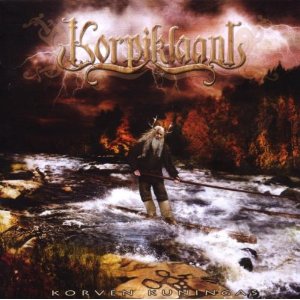
So here I am again with another Korpiklaani’s album in my hands. It’s incredibile, despite the short time between the two albums, Korven Kuningas is not a copy of Tervaskanto. The last one has a strong visible identity already starting from the beautiful cover artwork. A wonderful game of colours but also a strong image, a more dark and warlike image as confirmed by the opening track Tapporauta that recalls the bloody battles of the Finnish history (the title means “iron that kills”). The sound is more angry, hard and the voice is very scratchy. Great song for live concert! But that does not forget the importance of the lyrics and their intensity.
The next song is a polka, Metsämies (Forest Man) with Russian flavours, thanks to great sound of accordion, a true star of the album. More metal-like is Keep on Galopping, a very rhythmic song with chorus in English, which tells about black horses with a white horsehair, magic animals for the ancient people. Completely in English is Northern Fall where we find a party sound again, especially with virtuosities of violin, very good! A very strong contrast with nostalgic and melancholy text, in which nature prepares for the harsh winter.
Shall We Take A Turn? take us back to a drinking song and to a tarantella-dance, the first instrumental track to break the tone and to relax the mind. We dive back in Finnish Tradition with Paljon Koskessa Kiviä which inspired the cover artwork and tells of the Jätkä (“lumberjack”) or other finnish people travelling on rapids and rivers on woodlogs. The song is very cheerful and engaging.
Ali Jäisten Vetten is also cheerful and catchy in the sound but the text is melancholy because it tells about the world of the dead that in old finnish tradition was located under an icy water. A sad world but not so different from ours.
A very ballad song is Gods on Fire but the text tells of the revenge of the nature that’s showing its devastating power at the mankind, power personified by the strong voice of Jonne. A nefarious vision and sound which reminds us that there’re also other things than just parties and joy.
Very rock-alike is Nuolet Nomalan which talks about rabbit hunting and about the relationship between hunter and prey, it tells also of the respect that unites them in a fight for survival. Kantaiso, is a fast ballad, dedicated to Khanty, the ancestor, and to necessity to preserve the ancient traditions, especially the rituals in honor of bear, sacred animal for the finnish population.
Remaining in mythological threads the song Kipumylly tells us the myth of Kiputyttö, the virgin of pain, owner of a Mill of Suffering (Kipumylly) who literally manufactured her suffering and torment into the form of dark demons. Another evocative intro is that of Suden Joiku, a modern Yoik (the songs of the Sami) that maintains its shamanic flavor despite the sound of electric instruments. It tells about a wolf’s yoik, running between taiga and tundra howling for his beloved. Seems like a very human wolf.
Also Runamoine is ispirated by a legend, it’s a nordic version of a myth of Icarus: Runamoine was a great shaman that was bored by life on the earth, and decided to ascend to heaven with his sleigh pulled by black horses. He wanted to reach too high, and after the third heaven, his sleigh was broken and he fell down. A song with a very catchy, but simple and repetitive chorus.
We move to the conclusion with Syntykoski Syömmehessäin (“The rapid of birth in my heart “), a very shamanic song with a great variety of drums, long notes by the accordion and a sweet flute-melody. It represents, in the Finnish lyrics, a final reflection on the birth of legends and myths that man has created. Reflection continues without words in Korven Kuningas, an excellent Yoik with shamanic drums in a final loop.
In conclusion this album is more reflective of Tervaskanto, while Korven Kuningas is more thoughtful, serious and wise. Certainly Korpiklaani is Korpiklaani, and those who are seeking folk ballads will be satisfied, but the album has given much space to the most evocative sound that captures the mind, transported between forests and the drums of shamans. An album to listen several times to understand its various meanings.
Review by Claudia “LaFallenAngel” Murachelli
To read our interview with Jonne, please go to: Folk-Metal-Beer-Tequila-Mix By The Clan Of The Wilderness


 Click image to watch the video


 Metal Shock Finland (World Assault )
Pingback: Review: Korpiklaani – Korven Kuningas (2008) | Finns Do It Better