
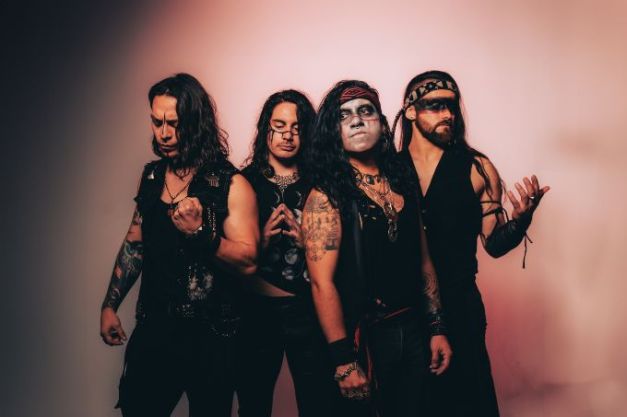
Like smoke from a shaman’s pipe, Mawiza have risen as a guiding force for indigenous metal. Integrating tribal rhythms and ancient instruments into groove metal has won these modern day Mapuche warriors respect from the Chilean Grammys and scene elders like Mercyful Fate, Mastodon, Slipknot and Gojira. Now, with their third album and first for Season of Mist, the band are summoning a towering defense of their ancestral land.
“Sung entirely in Mapudungun, it’s as thematically enlightening as it is musically distinct”, Metal Hammer UK writes about ÜL in an 8/10 review. “…these up-and-comers feel close to fully formed and vital to listen to”.
“In a genre that too often forgets its own roots, Mawiza are digging deep into language, into legacy, into land and returning with something eternal”, writes Metal Lair. “Not just a great Latin American metal record. One of the year’s most important”.
ÜL was released, Friday, July 18, and you can hear all nine defiant anthems by listening to the full album stream on the Season of Mist YouTube channel.
Order the album: https://orcd.co/mawizaul
“ÜL is the voice of the land, the origin of feeling, the first call to connect with emotions”, Mawiza says. “Our new album is the materialization of a part of the spirit that, for a few seconds, becomes one with the wind – a force we can hear, feel resonating, communicate with, and return to. It is our indigenous chant, and like smoke, it rises as a message to the skies”.
Hear Mawiza perform ÜL during their ongoing European tour with fellow Chilean metalheads Ater.
Immortal Flame 2025 European Tour
July 19 – Targu Jiu, Romania @ Piano
July 20 – Sibiu, Romania @ Rock & Bike
July 21 – Timisoara, Romania @ Nemesis
July 22 – Brasov, Romania @ La Templarie Pub
July 23 – Arad, Romania @ Club Flex
July 24 – Budapest, Hungary @ Riff
July 25 – Szeged, Hungary @ Varosi Club
July 26 – Pecs, Hungary @ Vararok
July 27 – Ostrava, Czech Republic @ Barrack
July 31 – Pinerolo, Italy @ Spazio Nino
August 1 – Barberaz, France @ Brin De Zinc
August 2 – Ostend, Belgium @ B52
Mawiza are a force of nature on ÜL. With sky-scraping riffs and earthshaking grooves, these nine chants call for the protection of Mapuche territory. Opening ceremony “Wingkawnoam” stomps to an industrial groove, but the song’s bounding rhythm mirrors the way a deer dances while eluding its predators. “History is normally written by the colonizers”, the band says. “We have to show the indigenous vision”.
Mawiza have seen the Mapuche Nation endure tremendous hardships. With its storming leads and blood-pumping chants, “Ngulutu” echoes the ancient battles between the Spanish and Mapuche by channeling the strength of the Mapocho and Maipo rivers. Half of the video for “Mamüll Reke” was filmed on Mapuche territory in southern Chile, outside the city of Valdivia, that is now controlled by two timbre companies.
But the band are steeled by the resistance of not only their Mapuche ancestors but also their land. Soaring above the clouds with brightly piercing flute, “Mamüll Reke” draws its harmonious energy from a mournful Afafan war cry. “Mamüll reke / Lhalu witxan / Afafalen / Lhayaiñ ka (Just like the tree / that dies standing / chanting the war cry / we will die too)”.
“The Mapuche are still standing”, Mawiza’s vocalist and guitarist Awka says. “You can cut us down, but if one falls, ten shall rise”.
For the album’s climactic harp-strung defense, Mawiza bring together allies from across their community. Gojira frontman Joe Duplantier joins forces with Mapuche tribesmen on “Ti Inan Paw-Pawkan”, which comes roaring down with the rushing force of a waterfall. “We wanted this song to sound like nature resisting the advancement of the city”, says the band’s drummer Txalkan. “Even when crushed by industrial pollution, nature is always pushing up from beneath the concrete”.
On ÜL, Mawiza summon ancestral spirit with modern groove metal.
“I love Mawiza! For their music, for who they are as individuals and for what they stand for”, Joe Duplantier says. “They represent and honor their powerful Mapuche heritage, amplifying its relevant message of connection with our roots and the universe as a whole. And they do so with determination and in the most modern way, with heavy riffs and an openness to new ideas and to the world. A conversation between past, present and future. Don’t give up the fight!”.
“I have been working with Mawiza for several years,” says Andrés Hetzler, who filmed all three videos for ÜL. “It’s always an honor to continue our collaboration. Their message deserves a strong and powerful visual”.
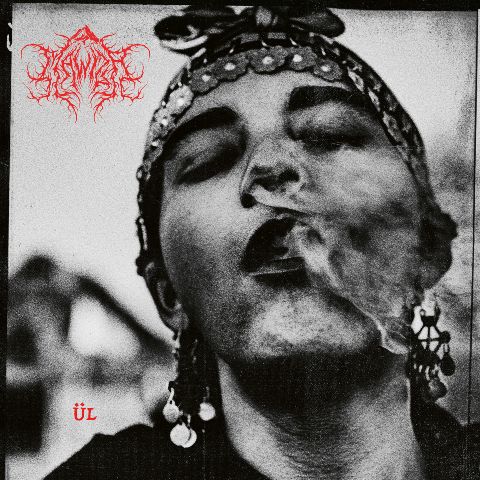
“This was a profound experience”, says the band’s photographer Kata Ulloa. “I would like to thank the Mapuche community for opening their doors to me, welcoming me so warmly and allowing me to get to know their culture from the inside. I would also like to thank Mawiza for trusting my aesthetic and vision for their album cover. I deeply love the band’s honesty and character, as subtle as it is expansive”.
Tracklist
1. Wingkawnoam (3:38) [WATCH]
2. Pinhza Ñi pewma (4:29)
3. Ngulutu (3:50)
4. Nawelkünuwnge (5:06)
5. Mamüll Reke (4:24) [WATCH]
6. Wenu Weychan (6:13)
7. Lhan Antü (4:08)
8. Kalli Lhayay (3:58)
9. Ti Inan Paw-Pawkan (featuring Joe Duplantier from Gojira) (4:42) [WATCH]
Tracklist(English Translation)
1. To Decolonize (3:38) [WATCH]
2. Hummingbird Dream (4:29)
3. Western Storm (3:50)
4. Become a Cougar (5:06)
5. Just Like The Tree (4:24) [WATCH]
6. The War of the Sky (6:13)
7. Dead of the Sun (4:08)
8. Let It Die (3:58)
9. The Last Harp Call (featuring Joe Duplantier from Gojira) (4:42) [WATCH]
ÜL means “chant” in Mapuzugun. The album represents the voice of the land, the origin of feeling, the first call to connect with emotions. It is the materialization of a part of the spirit that, for a few seconds, becomes one with the wind—a force we can hear, resonate, communicate with, and return to. ÜL is Mawiza’s indigenous chant, and like smoke, it rises as a message to the skies.
Like their Mapuche ancestors, Mawiza always look back. ÜL chants to awaken the energies that have fallen asleep in the land, using the power of the great cities to resist the noise of imbalance. In this way, the album becomes another element of nature, a force defending itself, speaking in its own language to keep fighting and condemning those who continue to futilely subjugate their own strength.
With ÜL, Mawiza present themself to the world with a decolonizing and empowering mission. The album proclaims that nature possesses consciousness and spirit. Opening song “Wingkawnoam” emphasizes the importance of indigenous Mapuche thought by following dreams as precise guides for one’s path in life.
“Pinhza ñi pewma” is a dream that Mawiza’s vocalist Awka had during a time when hummingbirds were nowhere to be seen. Their chant was absent and the chilco plant was disappearing. In Awka’s dream, four hummingbirds came to feed on the blood from his fingertips, as if it were nectar flowing from the flowers of the chilco.
ÜL pays tribute to nature and Mawiza’s ancestors. “Ngulutu” recalls ancient battles between the Mapuche and the Spanish in Santiago, Chile. “Mamüll Reke”, “Wenu Weychan”, “Lhan Antü”, and “Kalli Lhayay” are filled with rhythms and sounds reminiscent of the most hermetic rituals of the Mapuche people. They were used by shamans to induce trance and heal the sick, to communicate with and greet the spirits of the mountains.
Closing song “Ti Inan Paw-pawkan” features chants from members of Mawiza’s indigenous community, as well as Gojira frontman Joe Duplantier. It is here, during the album’s finale, that the band stake their claim as both indigenous and urban. The song acknowledges the mission entrusted to Mawiza by Mapuche authorities and by the land itself: to raise awareness about balance on Earth in an empowered way and to call for greater attentiveness to Mapuche territory. Otherwise, the consequences will be dire.
Lineup
Awka – Lead vocals & rhythm guitar
Karü – Lead guitar & backing vocals
Zewü – Bass & backing vocals
Txalkan – Drums & percussion
Guest musicians
Fabiola Hidalgo (Liquen) contributes vocals to “Wingkawnoam”, “Pinhza Ñi pewma”, “Ngulutu” and “Mamüll reke”
Joe Duplantier (Gojira) contributes vocals to “Ti Inan Paw-Pawkan”
Recording Studio
Estudio del Sur in Chile
Producer
Pancho Arenas
Sound & Mixing Engineer
Pancho Arenas
Mastering Studio
West West Side Music
Mastering Engineer
Alan Douches
Cover Art
Kata Ulloa
Follow Mawiza
Bandcamp: https://mawizakvlt.bandcamp.com
Instagram: https://www.instagram.com/mawizakvlt
Facebook: https://www.facebook.com/mawizakvlt
TikTok: https://www.tiktok.com/@mawizakvlt
Spotify: https://open.spotify.com/artist/4oJP24bXA2fbdVmNGNmCtt
YouTube: https://www.youtube.com/@mawizakvlt
Apple: https://music.apple.com/us/artist/mawiza/1653435953


 Click image to watch the video


 Metal Shock Finland (World Assault )