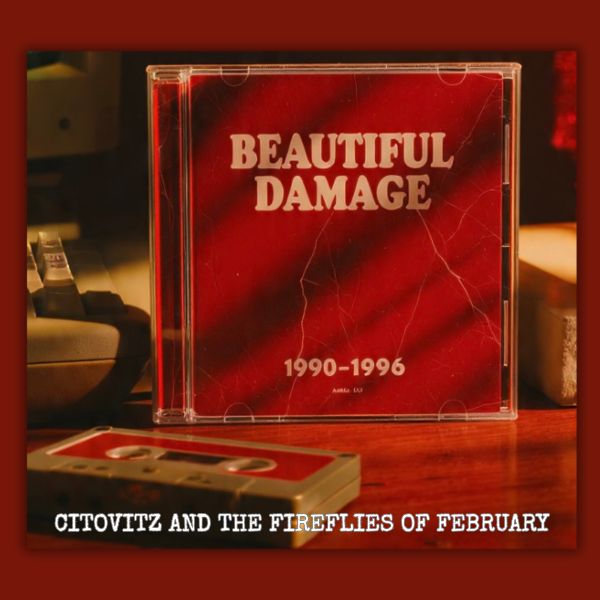
CITOVITZ AND FIREFLIES OF FEBRUARY have released the official lyric video for “Beautiful Damage” — the title track of the forthcoming album “Beautiful Damage: 1990–1994”, scheduled for release in April 2026.
The video marks the first official chapter of a deeply personal project: a collection of songs written between 1990 and 1996, rescued from old tape cassettes, and completed three decades later in a home studio in Cairo.
Watch the lyric video here:
THE CASSETTES THAT SURVIVED
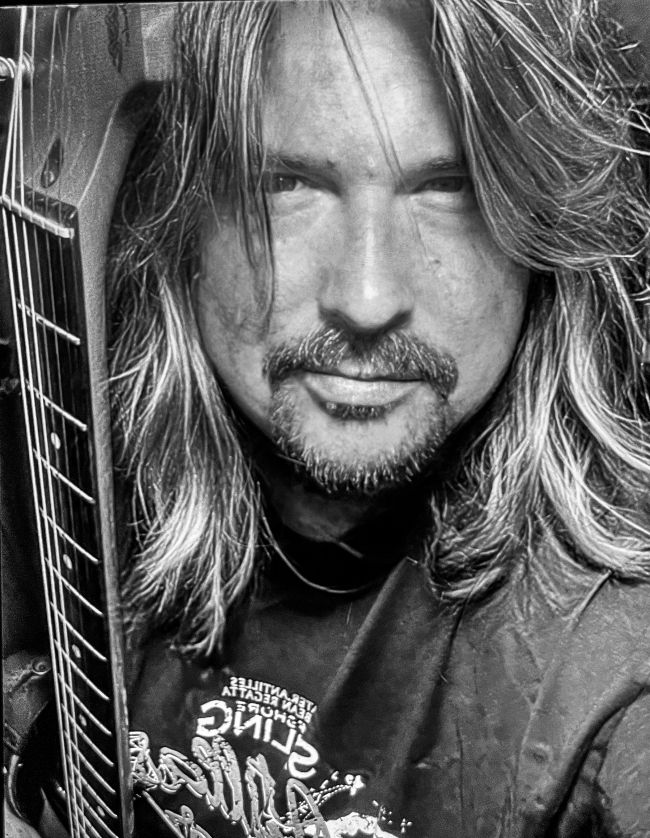
The story of Beautiful Damage: 1990–1994 begins not in a recording studio, but in the discovery of two old tape cassettes — the earliest musical archive of Andrzej Citowicz, a Polish-born guitarist, composer, and songwriter now based in Egypt, recording under the name Citovitz and The Fireflies of February.
Those cassettes held the first songs Andrzej ever wrote. Recorded on an old acoustic guitar between 1990 and 1996, some tracks had lyrics. Others were just chords — ideas that a young boy in Wałbrzych, Poland could hear in his head but was not yet equipped to finish. They were put away. Life happened. Loss happened. And for thirty years, those songs waited.
“This is the next chapter of my music journey. I found old tape cassettes. Two of them. My first songs from 1990 to 1996. Some with lyrics. Some without. Just ideas a kid couldn’t finish yet. I wasn’t ready then. I am now.”
BEAUTIFUL DAMAGE: THE SONG THAT NAMES EVERYTHING
The title track carries the weight of the entire project in one piece. Written in the early 1990s and completed in 2026, “Beautiful Damage” is the song that gave the album its name — and its emotional compass. It speaks of lost youth not with bitterness but with the strange, hard-earned gratitude of someone who survived long enough to understand what those years were worth.
The damage was real. So was what it built.
“Sometimes you need 50 years of scars to finish what you started at 14 — and left behind in your twenties. I wasn’t ready to write these words then. I needed everything that happened in between to understand what these songs were actually about.”
Musically, the track draws from the classic rock and power ballad tradition that shaped Andrzej’s earliest instincts as a writer — influences rooted in Bon Jovi, Def Leppard, and Bryan Adams — while carrying the weight and production maturity of an artist who has spent decades refining his voice. The result is a song that sounds simultaneously like a memory and a reckoning.
COMPLETING THE UNFINISHED: A PHILOSOPHY OF RETURN
The album Beautiful Damage: 1990–1994 is not a nostalgia project. It is an act of completion. Using his home studio, modern recording technology, and the same beating heart that first pressed record on those cassettes, Andrzej has taken the strongest of those early ideas and given them the production, the arrangements, and the lyrics they always deserved.
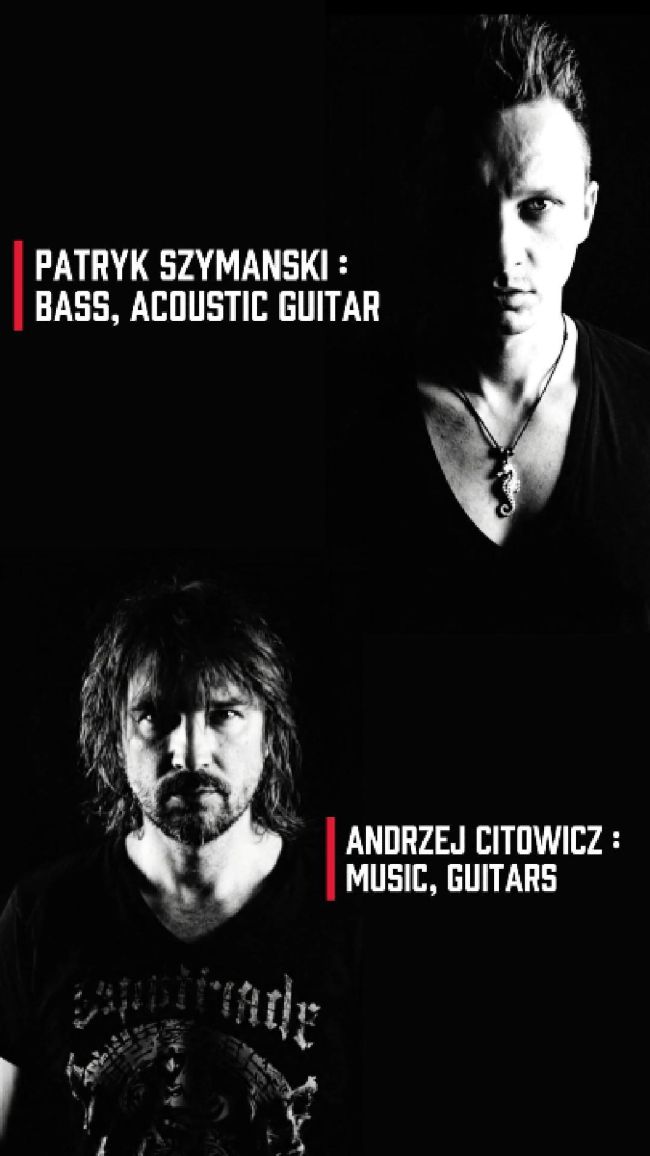
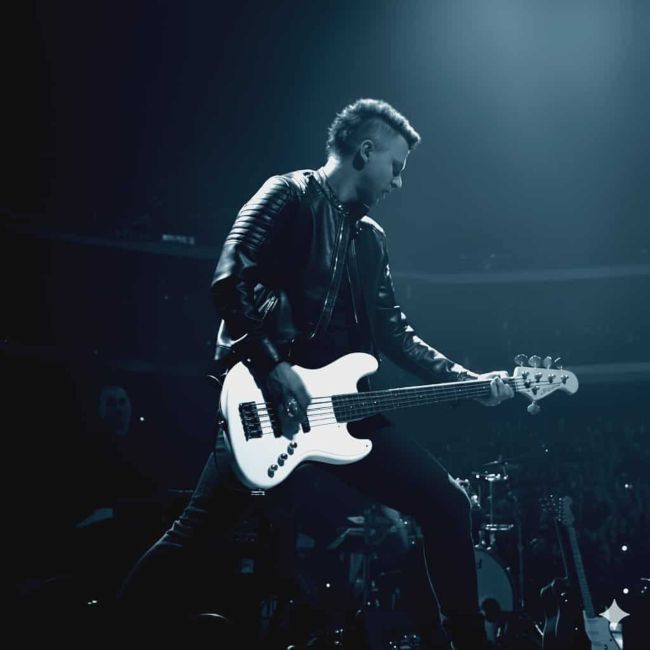
Bassist and longtime creative partner Patryk Szymański — a collaborator of more than a decade — stands beside him again in this process, re-recording and rearranging the old demos into their final form. Theirs is a musical friendship built over years of work, trust, and a shared understanding of what music should cost to make honestly.
“Patryk has been with me through every album, every doubt, every late night when the music refused to come. On this one — perhaps more than any other — his presence means everything. These are songs I could not finish alone the first time. I am glad I don’t have to finish them alone now.”
THE WORLD IS TOO CRAZY TO WAIT
For Andrzej Citowicz, the decision to finally complete these songs was not merely artistic — it was urgent. Independent, self-managed, and uncompromising in his creative vision, he has spent his career building a body of work outside the mainstream music industry, on his own terms, at his own pace.
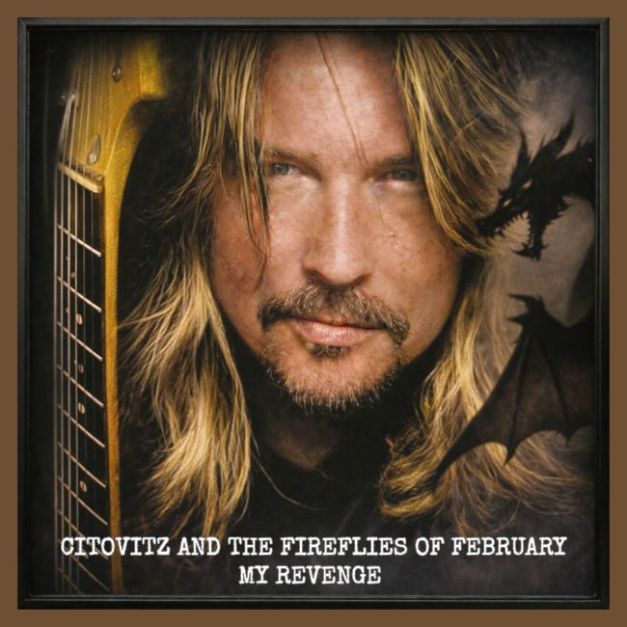
The My Revenge EP — released on his 50th birthday, February 10th, 2026 — was a declaration of survival. Beautiful Damage: 1990–1994 is its companion: not a look back in defeat, but a return with full understanding. Five songs for fifty years. Now — a full album for everything that came before.
“The world is too crazy to wait with dreams. Time to finish them.”
RELEASE DETAILS Lyrics Video: “Beautiful Damage” — available now on YouTube Album: Beautiful Damage: 1990–1994 — Coming April 2026 Originally Recorded: 1990–1996 (acoustic and early electric guitar demos on tape cassette) Completed & Arranged: 2026 Music & Guitars: Andrzej Citowicz Bass: Patryk Szymański Lyrics: Andrzej Citowicz Artist: Citovitz and The Fireflies of February
CITOVITZ AND FIREFLIES OF FEBRUARY have released the official lyric video for “The Demon Was Once an Angel” — the fifth and final track from the “My Revenge” EP, released on Andrzej Citowicz’s 50th birthday, February 10th, 2026. With this release, the EP’s lyric video cycle is complete: five songs documented, five chapters closed, five truths placed permanently on record.
THE PHILOSOPHY OF THE FALLEN
The song was written by Shereen Citowicz — the same lyricist behind “My Revenge”, the EP’s title track. Where that song burns with defiance, “The Demon Was Once an Angel” asks a harder, quieter question: not how did we survive, but what did surviving cost us? “Demons weren’t born demons. They were angels who fell. Good things that got broken. Innocent souls who learned the world doesn’t reward innocence. My wife Shereen wrote these words about transformation we never asked for. About how pain changes you into something different — not necessarily worse, just harder, less trusting, more guarded.”
The song’s central thesis — that the fallen were once innocent — carries enormous compassion within what could easily become a statement of despair. Shereen’s words refuse to judge the changed. They seek instead to remember what was there before the breaking. To acknowledge that the hardness people carry was once softness that the world refused to protect.
Watch the lyric video here:
MEMORY AS SALVATION
The lyric video presents the song’s most profound insight plainly: if you have become something harder, something more guarded, something the world might call a demon — you were likely an angel once. And that memory, however faint, is not defeat. It is a thread. It is what keeps a person from losing themselves entirely.
“If you’ve become a demon, maybe you were an angel once. And remembering where you came from — that’s what keeps you from being completely lost.” This is grief literature written as rock music. It is the kind of truth that doesn’t announce itself loudly but settles slowly — in the chest, in the memory, in the quiet moments when a person sits with what they have become and tries to find the version of themselves that existed before the damage.
Musically, “The Demon Was Once an Angel” draws from the tradition established by Winger and Kip Winger — technical without being cold, intricate without losing emotion. It is rock that thinks as it feels, that constructs carefully even as it speaks from an unguarded place.
Bassist Patryk Szymański — Andrzej’s collaborator of over a decade, a brother in every meaningful sense of the word — delivers bass work that does more than anchor the rhythm. It speaks. It carries its own narrative thread through the song, responding to and deepening the lyrical content rather than simply supporting it.
“Patryk’s bass doesn’t just support — it speaks its own truth. When you’ve been creating with someone for over ten years, there’s a musical intelligence that develops between you that can’t be faked. On this track especially, he understood exactly what these words needed.”
THE END OF MY REVENGE: FIVE SONGS FOR FIFTY YEARS
The “My Revenge” EP was conceived as a statement of survival — five tracks for fifty years of living, released as a 50th birthday declaration. Each song carries a different dimension of that survival: defiance, brotherhood, the theft of time, grief transformed into dignity, and now — the memory of innocence in the face of everything that has hardened.
The five tracks span two lyricists and one sustained emotional vision: Andrzej wrote “You’re Not My Friend — You’re My Brother, My Friend,” “Time Is a Thief,” and “I Am a Gentleman Tempered by Grief.” Shereen wrote “My Revenge” and “The Demon Was Once an Angel.” Together, they form a complete arc — not a tidy resolution, but an honest accounting.
“This is the final song from ‘My Revenge.’ Five songs for fifty years. Five pieces of survival turned into sound. Thank you for walking this journey with us. From the first song to this last one. You made my revenge complete.”
THE LYRIC VIDEO SERIES: WORDS MADE VISIBLE
The decision to document each track from “My Revenge” with its own lyric video reflects a consistent artistic philosophy: words this personal deserve to be seen, not just heard. Lyrics that emerge from lived experience — from grief, from loss, from the long work of remaining human — carry meaning that the ear alone cannot always hold. The lyric video format allows listeners to sit with the words, return to specific lines, and find themselves in the text. With this final release, that documentation is complete. Every word Shereen and Andrzej put into this EP now has a visual home. The record is permanent.
STREAM & WATCH
YouTube lyric video: https://www.youtube.com/watch?v=pPa5Fn9MQek The complete “My Revenge” EP is available on Spotify, Apple Music, Amazon Music, YouTube Music, and all major streaming platforms.
++++++
About Andrzej Citowicz: Andrzej Citowicz is an acclaimed Polish guitarist and songwriter currently based in Cairo, Egypt. As a former recording artist for DownBoys Records, he has built a reputation for emotionally resonant songwriting and distinctive guitar work. His music combines classic rock influences with contemporary production, creating a sound that bridges generational and cultural gaps while maintaining artistic authenticity. His YouTube channel has garnered over 70,000 views from an international audience.
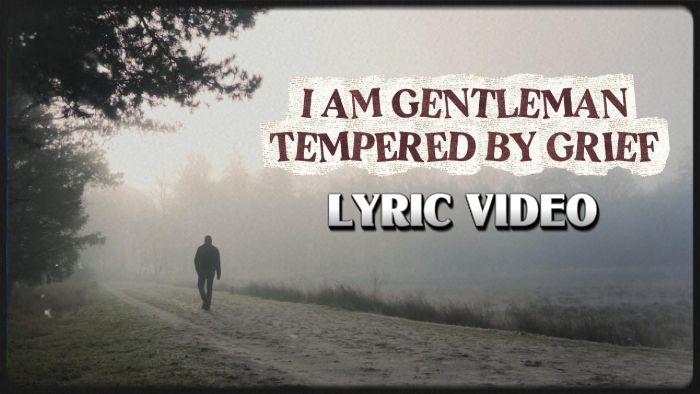
CITOVITZ AND FIREFLIES OF FEBRUARY have released the official lyric video for “I Am a Gentleman Tempered by Grief,” a deeply personal classic rock anthem from the “My Revenge” EP, released on Andrzej Citowicz’s 50th birthday, February 10th, 2026.
The lyric video, now available on YouTube (https://youtu.be/WrgAOinVu4M), presents the most introspective and vulnerable song from the five-track EP—a meditation on how profound loss transforms a person while preserving their essential humanity.
THE QUIETEST STATEMENT: GRIEF AS TRANSFORMATION
While “My Revenge” EP carries themes of defiance and survival throughout its runtime, “I Am a Gentleman Tempered by Grief” offers something different: quiet reflection on what remains after the fire, delivered through a classic rock anthem that balances power with vulnerability.
The song’s title encapsulates its entire philosophy—acknowledging both who Citowicz strives to be (a gentleman: kind, patient, understanding) and what shaped him (grief: loss, devastation, transformation he never chose). “After losing my son Jonasz, I’m not the same person,” Citowicz states plainly. “Grief changes you. It doesn’t make you bitter necessarily, but it makes you different. Harder in some ways. Softer in others. More patient with suffering. Less patient with bullshit. This song is about that transformation—about choosing kindness even after the world was cruel.”
The track carries particular weight as the only song on “My Revenge” where Citowicz explores internal transformation rather than external survival. It’s intimate, vulnerable, and remarkably honest about the ongoing nature of grief’s influence.
“I wanted to write about what grief does to someone who chooses to stay kind anyway,” he explains. “It’s easy to let pain turn you cruel. It’s harder—much harder—to be forged in fire you didn’t ask for and still preserve the good parts of who you are. That’s what ‘tempered’ means. Not destroyed. Shaped. Made stronger in unexpected ways.”
MUSICAL APPROACH: CLASSIC ROCK ANTHEM WITH SOUL
Musically, “I Am a Gentleman Tempered by Grief” represents a classic rock anthem in its purest form, drawing from the melodic sensibilities and emotional honesty that defined the genre’s greatest moments. “This track is pure classic rock,” Citowicz states with conviction. “There’s a touch of AC/DC’s melodic approach, Def Leppard’s way of building anthems that stay emotional without losing power, even The Darkness in how the guitars carry both vulnerability and strength simultaneously. This isn’t a ballad—it’s a classic rock anthem with soul.”
The guitars here employ the clean, melodic tones characteristic of classic rock’s most memorable tracks, creating hooks that serve the emotional content while maintaining the genre’s inherent power. The arrangement builds dynamically, creating space where needed but never sacrificing the forward momentum that defines an anthem.
“Def Leppard taught me that you can be emotional without being soft,” Citowicz reflects. “AC/DC showed that hard rock can hit… hard while staying accessible. The Darkness proved that classic rock isn’t dead—it just needs honesty. This song pulls from all of that. It’s an anthem, but it’s an anthem about something real.”
The production employs contemporary techniques while honoring classic rock traditions: warm guitar tones that recall the genre’s golden era, dynamic range that ebbs and flows with emotional content, and careful attention to how each element serves the song’s anthemic quality without overwhelming its intimate message.
“I wanted this to feel like classic rock—not retro, not nostalgic, but genuinely classic in approach,” he explains. “Big enough to be an anthem. Honest enough to be personal. Powerful enough to stand with the classics that influenced it.”
PATRYK SZYMAŃSKI: BASS AS MELODIC VOICE
Throughout “My Revenge” EP, bassist Patryk Szymański’s contribution has been crucial, but “I Am a Gentleman Tempered by Grief” showcases a different dimension of his musicianship—bass as melodic conversation partner rather than rhythmic foundation alone.
“Patryk’s bass work on this track is beautiful,” Citowicz emphasizes. “He’s not just holding down the rhythm—he’s playing melody. Listen to the verses. His bass line is as important as the vocal melody. That kind of playing only comes from deep musical understanding and genuine friendship.”
The bass lines throughout the track demonstrate the intuitive connection that develops from over a decade of musical collaboration. Szymański doesn’t simply support Citowicz’s guitar work—he engages in dialogue with it, creating harmonic depth that elevates the classic rock anthem structure.
“When you’ve been creating with someone for over ten years, you develop this almost telepathic connection,” Citowicz notes. “Patryk hears what I’m trying to say before I fully say it. On this anthem especially, his bass playing isn’t technical showmanship—it’s emotional intelligence translated into the language of classic rock.”
The result is bass work that feels organic, essential, and deeply connected to both the song’s thematic content and its classic rock foundation—much like how the genre’s greatest bassists understood that melody and rhythm could coexist in service of the song.
THE LYRIC VIDEO: MAKING WORDS VISIBLE
The decision to create a lyric video for “I Am a Gentleman Tempered by Grief” stems from the same philosophy that guided previous lyric videos from the “My Revenge” project: words this personal deserve to be seen, read, and absorbed beyond just hearing.
“These aren’t just lyrics—they’re a life map,” Citowicz explains. “Every line represents something real. Every word earned through actual transformation. I want people to read them, sit with them, recognize themselves in them. The lyric video format makes that possible.”
The visual presentation allows viewers to engage with the anthem’s message on multiple levels simultaneously—hearing the vocal delivery, reading the words, absorbing the musical support. For a classic rock anthem built on introspection and personal transformation, this multi-layered approach deepens connection while honoring the genre’s tradition of meaningful lyrics.
GRIEF, KINDNESS, AND THE CHOICE TO REMAIN HUMAN
At its core, “I Am a Gentleman Tempered by Grief” explores a question many survivors face: how do you maintain kindness, patience, and humanity after experiencing devastating loss? The classic rock anthem structure gives this personal question universal reach. The song doesn’t offer easy answers or false comfort. Instead, it acknowledges the ongoing nature of grief’s influence while asserting the possibility—and importance—of choosing kindness anyway, all delivered through the powerful, accessible language of classic rock.
“Grief taught me things I never wanted to learn,” Citowicz states. “It showed me who stays and who runs. It revealed what matters and what’s just noise. I’m a gentleman because I choose kindness even after the world was cruel. But I’m tempered—forged in fire I didn’t ask for. Both those things are true simultaneously.”
This dual acknowledgment—of damage and dignity, of change and continuity—gives the anthem its emotional power. It doesn’t pretend grief doesn’t alter you, but it refuses to accept that alteration must mean destruction. “You can be shaped by terrible things without being destroyed by them,” he continues. “You can carry loss without letting it make you cruel. You can be tempered—made stronger in the broken places—while still preserving what makes you human. That’s what this classic rock anthem is about. Big enough to be universal. Honest enough to be personal.”
FOR EVERYONE CHANGED BY LOSS
While deeply personal, “I Am a Gentleman Tempered by Grief” speaks to universal experience—the discovery that surviving profound loss requires ongoing choices about who you become afterward. The classic rock anthem structure makes this personal message accessible to anyone who’s faced similar transformation.
“This song is for everyone who survived something that changed them forever,” Citowicz offers. “For everyone who’s trying to stay kind after the world was cruel. For every gentleman and gentlewoman tempered by grief. If you’re fighting to preserve your humanity after it was tested by fire—this anthem’s for you.”
The message resonates particularly in an era where trauma, loss, and grief have touched countless lives in various forms—from personal bereavement to collective suffering. The classic rock format provides familiar musical language for unfamiliar emotional territory.
“We’re living in times when a lot of people are carrying loss they never expected to carry,” Citowicz observes. “This anthem doesn’t fix that. But maybe it reminds someone that transformation doesn’t have to mean destruction. That being changed doesn’t mean being broken beyond repair. That choosing kindness after cruelty is strength, not weakness. Classic rock has always been about those kinds of truths—big emotions, honest statements, music that connects.”
CONTINUING THE “MY REVENGE” NARRATIVE
“I Am a Gentleman Tempered by Grief” fits within the larger “My Revenge” EP narrative while offering distinct perspective. Where other tracks explore defiance, survival, and refusing to be silenced, this classic rock anthem examines internal landscape—how you live with yourself after surviving what tried to destroy you.
“The EP is called ‘My Revenge’ because it’s about refusing to let pain write the ending,” Citowicz explains. “But revenge isn’t just defiance. It’s also preservation—preserving your humanity, your kindness, your essential self after everything tried to strip those things away. This anthem represents that quieter form of revenge: still being a gentleman after everything that tried to make me cruel.”
The song demonstrates that “My Revenge” encompasses multiple forms of survival—from loud defiance to quiet persistence, from external battles to internal choices. “Some revenge is screaming,” he notes. “Some revenge is staying kind. Both matter. Both take strength. This anthem is the second kind—the choice to be tempered by grief rather than destroyed by it. That’s its own form of winning.”
CLASSIC ROCK LEGACY AND CONTEMPORARY RELEVANCE
“I Am a Gentleman Tempered by Grief” positions itself firmly within classic rock tradition while addressing contemporary emotional reality—demonstrating that the genre’s approach to honest, melodic, powerful music remains relevant for processing complex human experience.
“Classic rock never died—it just got honest,” Citowicz states. “AC/DC, Def Leppard, The Darkness—they all understood that you can make anthems that hit hard emotionally while maintaining musical power. That’s what I’m doing here. Using classic rock language to talk about grief, transformation, choosing kindness. The genre was built for this.”
The track proves that classic rock’s fundamental elements—melodic guitars, strong bass lines, honest lyrics, anthemic structure—can carry weight beyond nostalgia when applied to genuine emotional content. “I’m not making classic rock because I’m stuck in the past,” he clarifies. “I’m making it because it’s still the best language I have for certain truths. This anthem about grief and kindness—it needed classic rock. It needed that combination of power and vulnerability, accessibility and depth. That’s what the genre does best.”
AVAILABILITY AND CONNECT
The lyric video for “I Am a Gentleman Tempered by Grief” is available now on YouTube: https://youtu.be/WrgAOinVu4M The complete “My Revenge” EP is available on Spotify, Apple Music, Amazon Music, YouTube Music, and all major streaming platforms.
“This song is for everyone who survived something that changed them forever. For everyone who’s trying to stay kind after the world was cruel. For every gentleman and gentlewoman tempered by grief. This isn’t a ballad—it’s a classic rock anthem with soul. Big enough to be universal. Honest enough to be personal. I’m a gentleman because I choose kindness even after the world was cruel. But I’m tempered—forged in fire I didn’t ask for. That’s what this anthem says: you can be shaped by terrible things without being destroyed by them.” — Andrzej Citowicz
++++++
About Andrzej Citowicz: Andrzej Citowicz is an acclaimed Polish guitarist and songwriter currently based in Cairo, Egypt. As a former recording artist for DownBoys Records, he has built a reputation for emotionally resonant songwriting and distinctive guitar work. His music combines classic rock influences with contemporary production, creating a sound that bridges generational and cultural gaps while maintaining artistic authenticity. His YouTube channel has garnered over 70,000 views from an international audience.
Hard Rock Single Celebrates Brotherhood Forged Through Music, Features Decade-Long Collaboration with Bassist Patryk Szymański. Melodic Hard Rock with Modern Production Pays Homage to Bon Jovi and Def Leppard’s Legacy of Commitment and Craft.
CITOVITZ AND FIREFLIES OF FEBRUARY have released “You’re Not My Friend—You’re My Brother, My Friend,” the first single from the upcoming EP “My Revenge,” set to drop on February 10th, 2026 — Andrzej Citowicz‘s 50th birthday.
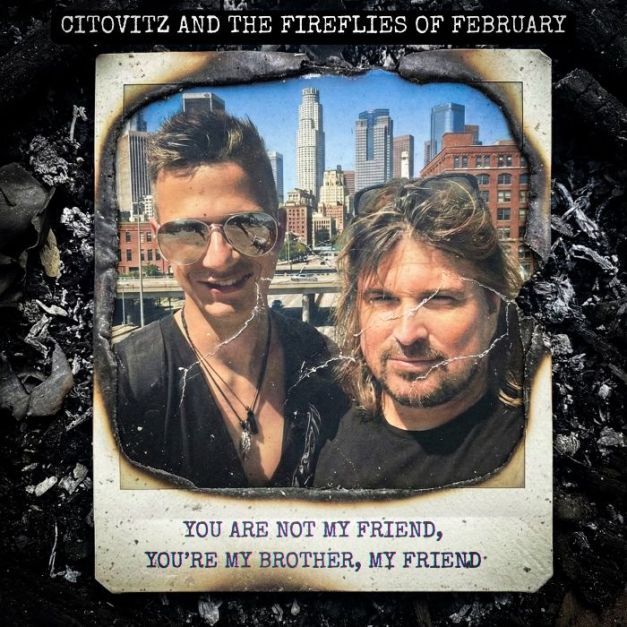
The single’s cover features Citowicz alongside bassist Patryk Szymański, whose presence represents more than musical collaboration—it embodies over a decade of genuine friendship that evolved into brotherhood through shared creative journey and mutual survival through life’s hardest moments.
Stream the single here:
A SONG ABOUT BROTHERHOOD THAT TRANSCENDS FRIENDSHIP
“You’re Not My Friend—You’re My Brother, My Friend” explores the rare bonds that develop when friendship deepens into something words struggle to capture—when someone becomes family not through blood, but through choosing to stay when staying is hardest.
“Some relationships transcend easy categorization,” Citowicz explains. “Patryk and I didn’t plan to become brothers. Music brought us together more than a decade ago, but what built between us—the trust, the loyalty, the showing up through loss and grief—that happened because we both chose it. Every single time.”
The song carries particular weight given Citowicz’s recent years navigating the loss of his son Jonasz, documented in his deeply personal album “Living Room Rockstar Part 2.” Through that darkness, certain people proved themselves to be more than friends.
“When you go through what we’ve been through, you learn who your real brothers are,” Citowicz states simply. “Patryk stayed. Not just musically, but humanly. He stood beside me when I couldn’t stand alone. This song is about people like him—the ones who become family when you need it most.”
PATRYK SZYMAŃSKI: MORE THAN A DECADE OF MUSICAL BROTHERHOOD
Patryk Szymański’s bass work on “You’re Not My Friend—You’re My Brother, My Friend” showcases the musical intuition that develops when two players share more than a stage—when they share a life. “Patryk’s bass playing is phenomenal, but that’s almost beside the point,” Citowicz reflects. “What makes working with him special is that he understands what I’m trying to say before I say it. We’ve been creating together for over ten years. We’ve survived together. The music reflects that connection—you can’t fake the kind of chemistry that comes from genuine brotherhood.”
Szymański’s contribution extends beyond technical proficiency. His bass lines provide the foundation that allows Citowicz’s guitar work to soar while grounding the song’s emotional weight in solid, driving rhythms. The result is a track that feels both powerful and intimate—rock music that carries the weight of lived experience.
“Patryk doesn’t just play on my records,” Citowicz emphasizes. “He makes everything complete. But more than that, he’s been there through the moments when music was the only thing keeping me alive. Through the loss of Jonasz. Through grief that had no words. He stayed when staying was hard. That’s brotherhood.”
THE MUSICAL APPROACH: MELODIC HARD ROCK WITH MODERN PRODUCTION
Musically, “You’re Not My Friend—You’re My Brother, My Friend” embodies melodic hard rock with contemporary production values—honoring the classic rock traditions that shaped Citowicz while embracing modern sonic possibilities. “I grew up with Bon Jovi and Def Leppard posters covering my walls in Wałbrzych, Poland,” Citowicz recalls. “Those bands taught me about melodic craft, about hooks that stay with you, about guitar-driven rock that still serves the song. But they also taught me something deeper—Jon Bon Jovi showed me you can be a rockstar and still honor commitment, still build something lasting with the people in your life. That philosophy runs through everything I create.” The song’s production balances raw emotion with polished execution. Guitars drive the track with the energy of classic hard rock, while the production techniques employ modern clarity and depth. The result bridges generations—appealing to listeners raised on 80s rock anthems while sounding current and vital.
“I wanted this song to feel timeless but sound today,” Citowicz explains. “The melodic sensibility, the song structure, the way the guitars and bass work together—that’s pure 80s hard rock influence. But the production, the sonic space, the way everything sits in the mix—that’s using everything we can do now. It’s respecting where I came from while living in the present.”
The Bon Jovi and Def Leppard influence manifests not just in sound, but in philosophy. Like his heroes, Citowicz believes rock music should be accessible without sacrificing substance, powerful without overwhelming vulnerability, anthemic while remaining personal.
“Desmond Child and Jon Bon Jovi taught me about hooks—those moments that grab you and don’t let go,” he notes. “But they also taught me that commercial appeal and emotional honesty aren’t opposites. You can write a song people want to sing along to that still means something real. That’s what I’m always chasing.”
“MY REVENGE”: A 50TH BIRTHDAY STATEMENT
“You’re Not My Friend—You’re My Brother, My Friend” serves as the opening statement for “My Revenge,” a five-song EP releasing on Citowicz’s 50th birthday, February 10th, 2026. The EP’s title carries multiple meanings—all deeply personal.
“Fifty isn’t what it was for our parents’ generation,” Citowicz reflects. “Our 50 is different. Still unfinished. Still learning. Still proving something. ‘My Revenge’ is partly about that—about reaching this milestone after everything that tried to stop me. After loss. After grief. After being told I’d never make it as a musician. Here I am. Still playing. Still creating. Still believing music matters.”
But the title carries deeper significance beyond defying expectations. “‘My Revenge’ is also about turning pain into creation,” he explains. “Life dealt some brutal hands. Losing Jonasz. Watching my wife be overlooked and unappreciated for 53 years. Going through darkness that should have destroyed us. My revenge isn’t about hurting anyone—it’s about refusing to let that pain have the final word. It’s about making something beautiful from what tried to break us. That’s the best revenge against suffering—surviving it and creating anyway.” The EP title also reflects Citowicz’s journey as a self-described “living room rockstar”—someone who never achieved mainstream success but never stopped believing music matters.
“I never became the rockstar on those posters in my teenage bedroom,” he acknowledges. “I never played stadiums or signed major deals. But I’m still here. Still writing. Still recording. Still finding people who connect with what I’m trying to say. After 50 years, I’m still standing with a guitar in my hands. That feels like its own kind of revenge against everyone who said this was impossible.”
THE COVER: A VISUAL REPRESENTATION OF BROTHERHOOD
The single’s cover features Citowicz and Szymański together—a deliberate choice that honors the song’s central theme. “I wanted people to see us,” Citowicz states. “Not just hear the music, but see the faces of two people who built something real through sound. Patryk belongs on this cover because this song doesn’t exist without him. Not just his bass playing—though that’s crucial—but his presence in my life. His brotherhood. That deserves to be visible.”
The cover image captures both musicians in a moment of genuine connection—not posed or manufactured, but authentically representing the relationship the song celebrates. “We’ve been playing together for over a decade,” Citowicz notes. “We’ve shared stages, studios, grief, joy—everything that makes up a life in music. The cover shows two brothers. That’s not marketing. That’s truth.”
CONTINUING THE JOURNEY: FROM “MY STORY” TO “MY REVENGE”
“You’re Not My Friend—You’re My Brother, My Friend” arrives in the wake of Citowicz’s recent surprise album “My Story,” released January 1st, 2026, which featured lyrics entirely written by his wife, Shereen Shoukry Citowicz. The progression from “My Story” to “My Revenge” represents Citowicz reclaiming his own narrative while honoring the collaborative spirit that defines his work.
“‘My Story’ was Shereen’s voice—her 53 years, her truth, her survival,” he explains. “‘My Revenge’ is mine. But they’re connected. Both albums are about refusing to stay silent. Both are about turning pain into something that might help someone else survive. Both prove that even when life tries to destroy you, you can still create.”
The thematic connection extends to the musical approach. Like “My Story,” “My Revenge” balances raw emotional honesty with solid musicianship, never sacrificing craft for confession or polish for authenticity. “I believe you can make music that’s emotionally devastating and still well-produced,” Citowicz states. “You can write about the hardest things and still care about the guitar tone, the arrangement, the hook. Emotion and craft aren’t enemies—they support each other. That’s what I learned from Bon Jovi, from Def Leppard, from all the bands that shaped me. They never treated commercial appeal and genuine feeling as opposites.”
THE MESSAGE: FOR EVERYONE WHO FOUND THEIR BROTHER THROUGH SOUND
While deeply personal, “You’re Not My Friend—You’re My Brother, My Friend” speaks to universal experience—the discovery that sometimes the people who become most important aren’t connected by blood, but by shared passion and mutual choice. “If you’ve ever had someone in your life who became more than a friend—who became the person you call when the world is too heavy, who stays when staying is hard, who shares your music and your silence with equal care—you know what this song means,” Citovicz offers.
He continues: “This is for everyone who found their brother through sound. Who built something real through creating together. Who knows the difference between friendship and brotherhood because they’ve lived it. Music can do this—it can bring two people together and create a bond that holds when everything else falls apart.”
The song’s message resonates particularly in an era where genuine human connection often feels increasingly rare. “We’re living in complicated times,” Citowicz observes. “Everything feels divided, isolated, disconnected. But music still has this power to bring people together—not just as audience and performer, but as real human beings who recognize something in each other. Patryk and I found that through playing together. This song celebrates that possibility—that you can find your family through art, through creation, through showing up and staying.”
LOOKING FORWARD: THE FULL EP AND BEYOND
“My Revenge” drops in full on February 10th, 2026, featuring five tracks that collectively represent Citowicz’s statement on reaching 50 while refusing to be finished. “These five songs are rehearsals for whatever comes next,” he explains. “Fifty doesn’t mean done—it means experienced enough to know what matters. Scarred enough to understand survival. Humble enough to keep learning. These songs reflect all of that.”
Additional singles from the EP will be revealed in the coming weeks leading up to the February 10th release. “Each song has its own story, its own reason for existing,” Citowicz notes. “But they all connect around this idea of revenge as creation—of refusing to let pain, loss, or being overlooked have the final word. Of still standing with a guitar after everything that tried to knock you down.”
AVAILABILITY AND CONNECT
“You’re Not My Friend—You’re My Brother, My Friend” is available now on Spotify, Apple Music, Amazon Music, YouTube Music, and all major streaming platforms. The full EP “My Revenge” releases February 10th, 2026.
“Some relationships transcend easy words. Patryk and I didn’t plan to become brothers—music brought us together, and everything else built itself through years of playing, creating, surviving together. When you go through what we’ve been through, you learn who your real brothers are. Patryk stayed. Not just musically, but humanly. He stood beside me when I couldn’t stand alone. This song is about people like him—the ones who become family when you need it most. If you’ve ever found your brother through sound, this one’s for you.” — Andrzej Citowicz
About Andrzej Citowicz: Andrzej Citowicz is an acclaimed Polish guitarist and songwriter currently based in Cairo, Egypt. As a former recording artist for DownBoys Records, he has built a reputation for emotionally resonant songwriting and distinctive guitar work. His music combines classic rock influences with contemporary production, creating a sound that bridges generational and cultural gaps while maintaining artistic authenticity. His YouTube channel has garnered over 70,000 views from an international audience.
13-Track Album Dedicated to Late Son Jonasz, Now Available on All Major Streaming Platforms!
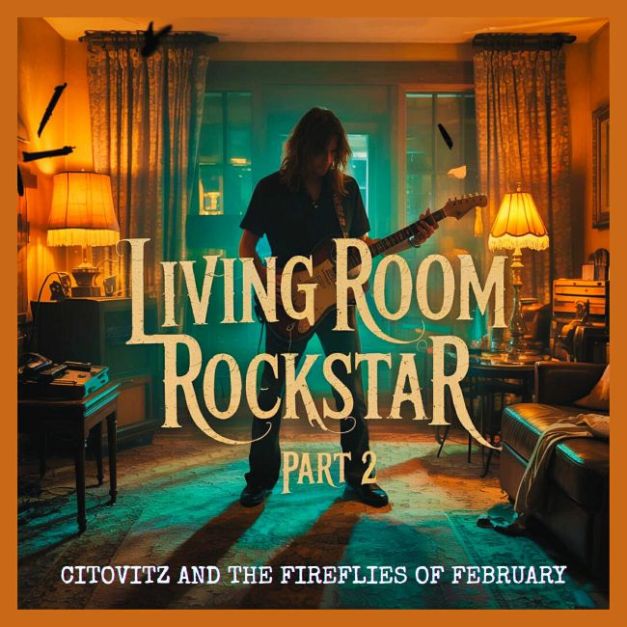
Andrzej Citowicz has released “Living Room Rockstar Part 2”, a 13-track album that stands as both a father’s memorial and a musician’s triumph. Available now on Spotify, Apple Music, Amazon Music, YouTube Music, and all major streaming platforms, the album transforms profound grief into anthemic rock that honors classic influences whilst embracing contemporary production.
Celebrating the album release, a lyric video premiered for “Connecting The Dots” (album opener), check it out here:
A FATHER’S TRIBUTE
“This album is dedicated to my son, Jonasz,” Citowicz states simply. “Every song, every note carries his memory. As someone on the autism spectrum, music is my language when other words fail. This album is how I keep him alive, how I process the impossible, how I survive.” Recorded during the most challenging year of his life following the loss of his stillborn son at 17 weeks, Living Room Rockstar Part 2 represents more than artistic achievement—it is survival made audible.
THE LIVING ROOM ROCKSTAR PHILOSOPHY
The album’s title track opens with a statement of identity: the “living room rockstar” who never played stadiums but never stopped believing that music matters. “I never became the rockstar on those posters in my teenage bedroom in Wałbrzych,” Citowicz reflects. “But I became something perhaps more important—someone who still creates, still believes, still plays like it means something. Because it does. That’s what a living room rockstar is.”
13 SONGS, ONE JOURNEY
The album’s 13 tracks span from immediate energy (“Destroyed But Not Defeated”) to the signature sound of “Kairski,” through power ballads like “A Heart That Burns” and the acoustic drama of closing track “Hole in My Soul.” “I’m incredibly proud of this album,” Citowicz shares. “It mixes late 80s hard rock and pop with modern vocal production and contemporary technology. It’s another album of my dreams—the kind of record I wished existed when I was that kid with Bon Jovi posters covering every wall.” He continues: “Track four, ‘Soul is Gone,’ brings that Warrant meets Dokken aggression. By track eight, ‘A Heart That Burns’ becomes our power ballad moment—that ‘Every Rose Has Its Thorn’ position where emotion peaks. Then ‘Venom and Stardust’ showcases those Desmond Child-inspired key changes, and we close with ‘Hole in My Soul’—acoustic, dramatic, leaving listeners wanting more.”
THE PATRYK SZYMAŃSKI PARTNERSHIP
Eleven of the album’s thirteen tracks feature bass and production work by longtime collaborator Patryk Szymański, whose contributions proved essential to the album’s realization. “Patryk is my friend who adds bass to my songs and always makes them more than complete,” Citowicz explains. “He helped shape the final result, bringing his magic to eleven tracks and supporting the production throughout. This album exists because he believed in it when I struggled to believe in myself.”
FAMILY AND COMMUNITY.
“My wife has been my strength through this darkness,” Citowicz notes. ” Her support made everything possible. After 17 years together, creating music became our shared language during the hardest time imaginable.” Beyond family, Citowicz acknowledges the community that sustained him: “Beautiful friends in my niche have supported my music all this time. They’ve walked this journey with me, never looking away when things got hard. This album is also for them.”
MODERN MEETS CLASSIC
Musically, Living Room Rockstar Part 2 bridges eras—honoring the guitar-driven anthems and melodic craftsmanship of late 80s rock whilst utilizing contemporary vocal production and modern recording technology. “I wanted the songs to feel classic but sound current,” Citowicz explains. “The guitar work, the hooks, the song structures—they channel Bon Jovi, Def Leppard, Aerosmith. But the vocal production uses modern techniques that make everything feel immediate and present. It’s respecting tradition whilst embracing what technology can do today.” The result is an album that satisfies both nostalgia and contemporary listening expectations—songs that could have existed in 1989 but were actually crafted in 2024-2025.
MUSIC AS SURVIVAL
For Citowicz, Living Room Rockstar Part 2 represents more than artistic output—it is essential therapy and survival mechanism. “Being on the autism spectrum means I process the world differently,” he explains. “Music is where everything makes sense. When I couldn’t process losing Jonasz through conversation or normal grief, I processed it through guitar, through songwriting, through production decisions. Each track became a step toward survival.” He adds: “This isn’t just an album. It’s proof that creating art can carry you through the unsurvivable. It’s evidence that love finds expression even when the person you love is gone. It’s my way of refusing to let pain have the final word.”
AVAILABLE NOW
Living Room Rockstar Part 2 is available now on all major streaming platforms. “I’m proud of every second of this album,” Citowicz concludes. “From the opening statement of ‘Connecting The Dots’ to the final notes of ‘Hole in My Soul,’ this is everything I wanted to say but couldn’t say any other way. For Jonasz. Always for Jonasz.”
ALBUM INFORMATION:
Title: Living Room Rockstar Part 2 Artist: Citowicz and the Fireflies of February Tracks: 13 Music, Guitars, Lyrics: Andrzej Citowicz Bass and Production (11 tracks): Patryk Szymański Available on: Spotify, Apple Music, Amazon Music, YouTube Music, and all major streaming platforms
CREDITS: Music, Lyrics, Guitars: Andrzej Citowicz Bass: Patryk Szymański
“This album is for my son, Jonasz. It’s for everyone who still plays in empty rooms but plays like it means everything. It’s for anyone who’s ever been broken but refused to stay broken. Living Room Rockstar Part 2 is proof that music can hold what nothing else can—grief, love, hope, and the refusal to let pain win.” — Andrzej Citowicz
About Andrzej Citowicz: Andrzej Citowicz is an acclaimed Polish guitarist and songwriter currently based in Cairo, Egypt. As a former recording artist for DownBoys Records, he has built a reputation for emotionally resonant songwriting and distinctive guitar work. His music combines classic rock influences with contemporary production, creating a sound that bridges generational and cultural gaps while maintaining artistic authenticity. His YouTube channel has garnered over 70,000 views from an international audience.
Spontaneous Creation Celebrates Rock Icon’s Impact on Polish Guitarist’s Songwriting Journey
Cairo, Egypt – [10/29/25] – Andrzej Citowicz, performing as CITOVITZ AND THE FIREFLIES OF FEBRUARY, has released “Venom & Stardust”, a new track from the forthcoming album “Living Room Rockstar Part 2”. The release coincides with the birthday of legendary songwriter Desmond Child, whose influence on Citowicz’s musical journey runs deeper than the artist himself realized.
A SPONTANEOUS HOMAGE “Venom & Stardust” emerged from a spontaneous writing session several weeks ago, with the song’s distinctive key changes and melodic progressions flowing naturally and unexpectedly.
“I was playing guitar, and everything just came—all these key changes, these progressions, these moments that felt right,” Citowicz recalls. “When I stepped back and listened, I thought: this sounds like something Desmond Child would create. And that’s when I realized how much his work has shaped the way I think about songwriting, even on a subconscious level.”
DESMOND CHILD: THE ARCHITECT OF ANTHEMS Desmond Child stands as one of rock music’s most influential songwriters, crafting hits for Bon Jovi, Aerosmith, Alice Cooper, and countless others. His work defined the sound of 1980s and 1990s rock, creating anthems that combined accessibility with emotional depth.
For Citowicz, growing up in Wałbrzych, Poland, Child’s compositions provided more than entertainment—they offered a masterclass in songwriting craft. “Desmond Child wrote the soundtrack to my youth without ever knowing it,” Citowicz reflects. “Songs like ‘Livin’ on a Prayer’ and ‘You Give Love a Bad Name’ weren’t just hits—they were blueprints. They taught me that rock music could be both massive and intimate, both anthemic and personal. When I was alone in my room with those Bon Jovi posters and a battered guitar, I was studying Desmond’s work, learning how to build a chorus that connects, how to create that moment where everyone sings along.”
He continues: “What makes Desmond’s songwriting so powerful is the marriage of craft and emotion. The songs are meticulously constructed—those key changes, those melodic hooks, those bridges that elevate everything—but they never feel calculated. They feel inevitable, like they’ve always existed and he just discovered them. That’s the magic I chase in my own writing.”
THE GUITAR AS STORYTELLER For Citowicz, the guitar serves as both instrument and voice, a means of expressing what words alone cannot capture. “The guitar is my first language,” he explains. “Before I write lyrics, before I think about structure, I play. The guitar tells me where the song wants to go. Sometimes it’s angry, sometimes it’s melancholy, sometimes—like with ‘Venom & Stardust’—it’s playful and ambitious, pushing into these key changes that feel like reaching for something just out of grasp.”
He adds: “When you play guitar, you’re not just making sound. You’re telling a story without words. Every bend, every slide, every choice of whether to let a note ring or cut it short—those are narrative decisions. The guitar solo in ‘Venom & Stardust’ says things I could never articulate verbally. That’s what I learned from players like Richie Sambora and the songwriters who understood how to let guitar breathe within a song.”
WHAT MUSIC MEANS: SURVIVAL AND SALVATION Throughout our conversations, Citowicz has consistently described music not as a career choice but as a necessity—a form of therapy, communication, and survival.
“Music for me isn’t optional,” he states plainly. “It’s how I process everything I can’t process any other way. Being on the autism spectrum means the world often feels overwhelming, confusing, difficult to navigate. But when I pick up a guitar, when I’m writing a song, suddenly everything makes sense. The noise becomes melody. The chaos becomes structure.”
He continues: “After losing ,my Son, Jonasz, music became even more essential. It’s the only place where I can hold all these contradictory emotions at once—the grief, the love, the anger, the hope. A conversation has rules, social cues, expected responses. A song has no rules except honesty. That’s why I keep creating, even when it’s painful. Especially when it’s painful. Because music can hold what nothing else can.”
THE LIVING ROOM ROCKSTAR PHILOSOPHY “Venom & Stardust” will appear on Living Room Rockstar Part 2, scheduled for release in November 2025. The album, dedicated to Citowicz’s late son Jonasz, represents a father’s tribute and a musician’s journey through grief toward healing.
“The ‘living room rockstar’ concept is about understanding that you don’t need stadiums to matter,” Citowicz explains. “I never became the rockstar on those posters in my teenage bedroom. But I became someone who still plays, still writes, still believes that creating music means something, even if the audience is small or imaginary. That’s not failure—that’s victory. That’s survival.”
He adds: “Desmond Child wrote songs that played in stadiums, that millions sang along to. I write songs in my living room that maybe hundreds will hear. But the act of creation is the same. The need to say something through music is the same. The hope that your song might reach someone who needs it is the same. That’s what being a living room rockstar means—you keep playing like it matters, because it does.”
ABOUT THE SONG “Venom & Stardust” showcases Citowicz’s guitar-driven rock aesthetic, featuring dynamic key changes, anthemic choruses, and the melodic craftsmanship that connects his work to the classic rock tradition. Patryk Szymański’s bass work provides the song’s foundation, adding depth and power to the composition.
“The title ‘Venom & Stardust’ captures the duality I was chasing,” Citowicz notes. “The venom is the edge, the bite, the acknowledgment that life isn’t all beautiful. The stardust is the hope, the magic, the belief that something transcendent can emerge from ordinary moments. That tension between darkness and light, between earthbound and reaching for the sky—that’s what makes rock and roll powerful.”
A BIRTHDAY TRIBUTE Releasing “Venom & Stardust” on Desmond Child’s birthday serves as both celebration and acknowledgment of artistic debt.
“I’ll never meet Desmond Child,” Citowicz reflects. “He’ll never know about the Polish kid in Wałbrzych who studied his work like sacred texts. But that doesn’t diminish the impact. He taught me how to write songs that connect. He showed me that rock music could be both intelligent and accessible, both crafted and passionate. This song is my way of saying thank you to someone who changed my life without ever knowing I existed.” He concludes: “That’s the beautiful thing about music—it travels across borders, across decades, across circumstances. A songwriter in one place and time creates something that reaches a listener in another place and time, and that listener becomes a creator themselves. That’s the lineage. That’s the tradition. And on Desmond Child’s birthday, I’m honoring that tradition by releasing a song that exists because of everything he taught me.”
ABOUT LIVING ROOM ROCKSTAR PART 2 Living Room Rockstar Part 2, scheduled for November 2025, will feature ten tracks exploring themes of loss, resilience, love, and the transformative power of music. The album is dedicated to Citowicz’s late son, Jonasz, and represents the artist’s journey through profound grief following the loss of his stillborn son whilst maintaining commitment to creative expression.
Recent singles from the project include “Serpents of Tomorrow,” “Living Room Rockstar,” and collaborations with Citowicz’s wife, Shereen, on tracks like “Burn Like Thunder,” “When The Fight Is Gone,” and “The Space Between.” “Venom & Stardust” is available exclusively as an official audio on YouTube: https://www.youtube.com/watch?v=FED3dekP0uY
CREDITS: Music, Lyrics, Guitars: Andrzej Citowicz Bass: Patryk Szymański
RELEASE INFORMATION: Single: “Venom & Stardust” Artist: Citovitz and the Fireflies of February Album: Living Room Rockstar Part 2 (November 2025) Available: YouTube (Official Audio – Exclusive): https://www.youtube.com/watch?v=FED3dekP0uY
“Desmond Child wrote the soundtrack to my youth without ever knowing it. This song exists because of everything he taught me about craft, about connection, about the magic that happens when melody meets meaning. On his birthday, I release ‘Venom & Stardust’ as my tribute to a man who changed countless lives, including mine.” — Andrzej Citowicz
++++++
About Andrzej Citowicz: Andrzej Citowicz is an acclaimed Polish guitarist and songwriter currently based in Cairo, Egypt. As a former recording artist for DownBoys Records, he has built a reputation for emotionally resonant songwriting and distinctive guitar work. His music combines classic rock influences with contemporary production, creating a sound that bridges generational and cultural gaps while maintaining artistic authenticity. His YouTube channel has garnered over 70,000 views from an international audience.
Kimmo Kuusniemi’s ASA unveil the long-overdue release of "Collective Failure" + first music video for title-track! Check it out and stay tuned for more news! Click image to watch the video
Kimmo Kuusniemi’s SARCOFAGUS return with a Historic 2010 Concert Video Premiere on YouTube! Click image to watch the video
Ads
Visionary artist KIMMO KUUSNIEMI's ANCIENT STREAMING ASSEMBLY (ASA) have released “Aurora Nuclearis”, a powerful 12-minute audiovisual experience, dedicated to the Late Keyboardist Esa Kotilainen. - Click image to watch the video





 Click image to watch the video


 Metal Shock Finland (World Assault )